
Why Pavilion in Grand Rapids Charter Township & East Grand Rapids, MI, Improve Backyard Comfort
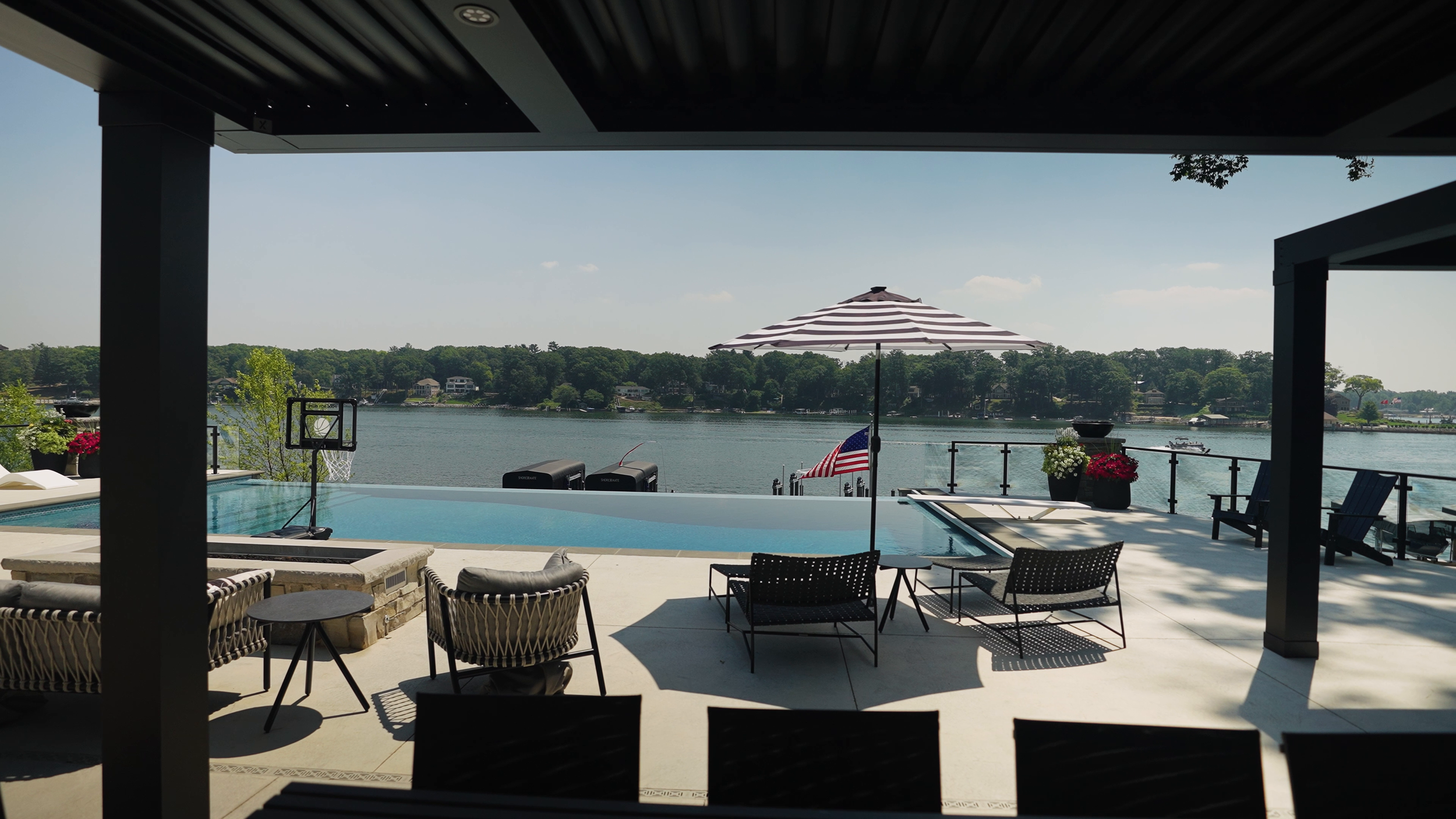
A backyard should give you options. Shade when the sun is high, shelter when the weather changes, and a defined place to gather without feeling boxed in. A pavilion in Grand Rapids Charter Township and East Grand Rapids, MI, does precisely that by adding structure and comfort to your outdoor space while keeping the backyard open and inviting. When a pavilion is planned correctly and built by professionals, it becomes a central feature that supports how you relax, host, and spend time outside throughout the season. Our team handles every decision, from placement and sizing to materials and construction, so your pavilion fits naturally into your backyard and improves how the space feels every day.
Related: 7 Pavilion Ideas for Jamestown, MI & Byron Township, MI Backyards
What A Pavilion Adds To Your Backyard That Other Structures Do Not
A pavilion offers something unique compared to other shade structures. It provides full overhead coverage without enclosing the space. This balance allows your backyard to stay open while still giving you protection from the sun and light weather. You can enjoy fresh air, views of your landscape, and a sense of openness while still having a defined area that feels intentional.
Unlike structures that rely on partial coverage or decorative slats, a pavilion creates an actual outdoor room. The roof establishes scale and presence, which helps organize your backyard layout. Seating areas, dining spaces, and outdoor features feel more grounded when they are placed beneath a pavilion rather than floating in the open yard.
We design pavilions to feel proportional to your backyard and your home. The goal is to add comfort and structure without overwhelming the space. When the pavilion is sized and placed correctly, it enhances the flow of your backyard rather than competing with it.
How A Pavilion Improves Comfort Throughout The Day
Comfort changes throughout the day as the sun shifts and temperatures rise. A pavilion helps regulate how your backyard feels by providing consistent shade and a sense of enclosure without walls. Morning coffee feels calmer when you are not in direct sunlight. Midday gatherings feel more comfortable when there is a shaded retreat. Evenings feel more relaxed when the pavilion anchors the space and defines where people naturally gather.
A pavilion also creates flexibility. You are not forced to move furniture constantly to chase shade. Seating, dining tables, and gathering areas can remain in one place because the structure provides reliable coverage. This consistency makes your backyard easier to use and more inviting for guests.
Our team considers sun exposure carefully when planning your pavilion. We evaluate how light moves across your backyard and position the structure to provide shade where you need it most. This planning ensures the pavilion improves comfort instead of creating awkward shadows or unused areas.
Why Pavilion Placement Matters More Than Size Alone
Many homeowners focus first on pavilion size, but placement often has a greater impact on how the structure improves comfort. A pavilion placed too far from the house may feel disconnected from daily use. A pavilion placed too close may crowd the patio or block views.
We determine the best placement by looking at how you move through your backyard. We consider how you exit the house, where your patio sits, and how the pavilion should connect to other features such as seating walls, walkways, or outdoor kitchens. The pavilion should feel like a natural extension of your outdoor living space rather than an isolated structure.
Placement also affects how the pavilion frames your backyard. It can create a focal point that draws people into the space. It can define a destination for dining or relaxing. When placement is intentional, the pavilion improves the overall balance of your backyard layout.
How A Pavilion Defines Outdoor Zones Without Closing Them Off
A balanced backyard has zones. You may have a patio for dining, a seating area for conversation, and an open space for movement. A pavilion helps define one of these zones without requiring walls or doors.
By placing a pavilion over a dining area or seating arrangement, you give that space purpose. People naturally understand where to gather because the structure signals that this area is meant for use. At the same time, the open sides keep the backyard feeling connected and spacious.
We design pavilions to work with the rest of your backyard zones. The structure should align with walkways, patios, and planting beds so movement feels natural. The pavilion becomes part of the flow rather than an obstacle.
Pavilion Roof Styles And How They Affect Comfort
The roof style of your pavilion affects both appearance and comfort. A properly designed roof provides full coverage while complementing the architecture of your home.
Gable roofs are one of the most common pavilion styles. They provide strong overhead coverage and allow hot air to rise, which can make the space feel cooler underneath. Gable roofs also pair well with a wide range of home styles, from traditional to transitional.
Hip roofs offer a softer profile and can feel more integrated into landscaped backyards. They often create a balanced look that works well when the pavilion is visible from multiple angles.
Flat or low-slope roofs can create a modern look and work well in contemporary backyard designs. These styles require careful planning to ensure water management and visual balance.
Our team helps you choose a roof style that supports comfort, fits your home, and complements your backyard design. We guide the decision so the pavilion feels cohesive rather than out of place.
How Pavilion Materials Influence The Feel Of Your Backyard
Material selection plays a major role in how your pavilion feels. The right materials should complement your home, your patio, and your landscape while supporting comfort and durability.
Wood pavilions often create a warm, natural feel. They pair well with natural stone patios, planting beds, and traditional landscapes. Wood can feel inviting and familiar, especially in backyards designed for relaxed gatherings.
Vinyl or composite pavilions offer a clean, uniform look that works well with modern or low-contrast designs. These materials can create a crisp appearance that blends seamlessly with contemporary patios and structured landscapes.
Metal accents or structural elements can be incorporated for a more modern aesthetic. These details can add visual interest without overpowering the space.
We recommend materials based on how you want your backyard to feel and how the pavilion should relate to other features. Our team handles all material selection and construction decisions so the final structure feels intentional and well integrated.
How A Pavilion Enhances Patio Comfort
A pavilion and a patio work best when they are designed together. The patio provides the surface for seating and dining, while the pavilion provides overhead comfort and definition.
When a pavilion is placed over a patio, it transforms the area into a true outdoor room. The space feels more comfortable and more usable throughout the day. Furniture placement becomes easier because the pavilion establishes boundaries and scale.
We design patios and pavilions as a coordinated system. That includes aligning edges, matching materials, and ensuring the pavilion posts integrate cleanly with the patio surface. This approach prevents awkward transitions and helps the entire space feel cohesive.
Why A Pavilion Supports More Comfortable Outdoor Gatherings
Gatherings tend to gravitate toward spaces that feel comfortable and defined. A pavilion naturally becomes a gathering point because it offers shade, structure, and a sense of enclosure.
Under a pavilion, conversations feel more focused. Dining feels more relaxed. Seating arrangements feel intentional rather than scattered. The structure helps people feel grounded in the space.
We plan pavilion layouts to support how you host. That includes ensuring there is enough room for tables and chairs, creating clear routes around the structure, and aligning the pavilion with other backyard features that support gatherings.
Pavilion Height, Scale, And Why It Matters
The height and scale of a pavilion affect how it feels to stand or sit beneath it. A pavilion that is too low can feel cramped. One that is too tall can feel disconnected from the patio and surrounding features.
We determine pavilion height based on roof style, backyard scale, and how the structure will be used. The goal is to create a comfortable sense of enclosure without making the space feel heavy or overwhelming.
Proper scale also ensures the pavilion complements your home. The structure should feel like it belongs in your backyard rather than appearing oversized or undersized.
How Plantings And Landscape Features Complement A Pavilion
Plantings play an important role in how a pavilion feels within your backyard. Without plantings, a pavilion can feel exposed. With thoughtful planting design, the structure feels anchored and integrated.
We often use plantings to soften the edges of a pavilion. Shrubs and ornamental trees can frame views without blocking airflow. Layered planting beds can create a natural transition between the pavilion and open backyard space.
Plantings can also help define the pavilion zone. A planting bed behind seating can create a sense of privacy and comfort without enclosing the space.
Our team selects plantings based on hardiness zone, sun exposure, and the pavilion’s placement so the design supports balance and comfort.
How A Pavilion Works With Outdoor Lighting
Outdoor lighting helps your pavilion remain comfortable and usable after the sun goes down. Without proper lighting, even a well-built pavilion can feel disconnected at night.
We design outdoor lighting to complement the pavilion structure. That may include subtle lighting integrated into the roof structure, nearby pathway lighting that guides movement, or accent lighting that highlights surrounding plantings.
The goal is to create a calm, welcoming atmosphere rather than harsh brightness. Lighting should support conversation, dining, and movement without drawing attention away from the pavilion itself.
Why Professional Planning Makes A Pavilion Feel Effortless
A pavilion may look simple, but proper planning makes it feel effortless to use. Structural considerations, placement, materials, and integration with the rest of your backyard all affect the final result.
Our team manages the entire process. We evaluate your backyard, recommend pavilion size and placement, select materials, and handle all construction. You do not need to coordinate trades or make technical decisions. We ensure the pavilion supports comfort and balance while fitting seamlessly into your outdoor space.
Can You Enclose A Pavilion?
Yes, you can enclose a pavilion, and it can be a strong option when you want your backyard space to feel more protected while still staying open and connected to the landscape. Enclosing a pavilion does not have to mean turning it into a fully sealed structure. Many homeowners choose partial enclosures that add comfort without closing off airflow or views. This can include open rail-style panels, privacy walls on one or two sides, or screen systems that allow breezes through while helping the space feel more comfortable during certain times of year.
The best enclosure approach depends on how you use your pavilion and what you want the space to support. If your pavilion is used for dining, a partial enclosure can help define the space and reduce exposure to wind in open areas of your backyard. If your pavilion is used as a lounge space, privacy walls can create a stronger sense of retreat while still keeping the area open on other sides. If your pavilion is located near a patio that gets heavy sun, an enclosed side can also help create a shaded zone that feels calmer and more comfortable.
What Is The Best Material For A Pavilion?
The best material for your pavilion depends on the look you want, the style of your home, and how you want the structure to feel in your backyard. Many homeowners choose wood because it creates a warm, natural appearance and pairs beautifully with natural stone patios, planting beds, and layered landscapes. Wood also offers flexibility in design details such as beam styles, ceiling finishes, and trim elements that can be tailored to match your home’s architecture.
Vinyl and composite pavilions are also strong options when you want a crisp, uniform look that complements structured backyard layouts and modern outdoor spaces. These materials often create a clean profile and can coordinate well with paver patios and simple planting designs. They are also a good fit when the goal is a pavilion that looks consistent from every angle and blends into a more formal backyard style.
In some designs, metal structural elements can be incorporated for a more modern aesthetic or for a clean contrast against natural stone and plantings. This option works best when the rest of your backyard includes contemporary features and streamlined materials.
How A Pavilion Improves Everyday Backyard Use
A pavilion is not only for special occasions. It improves everyday use by giving you a comfortable place to sit, eat, or relax without worrying about sun exposure. It creates a destination in your backyard that feels inviting even on quiet days.
Because the pavilion establishes a defined zone, it makes your backyard feel more organized. You know where to place furniture. You know where people will naturally gather. This clarity improves how the space functions day to day.
Related: Experience a New Love for the Outdoors on a Paver Patio in the Holland and Grand Haven, MI Areas
ABOUT THE AUTHOR
As a faith-based, veteran-owned company, we are passionate about creating beautiful outdoor spaces where our customers can retreat to find peace and connection with friends, family, and God. With nearly six decades in business, we are known as the premier lawn and landscape contractor in West Michigan. Using only premium materials, our artisans built a stunning poolscape oasis where our happy customer now spends her sacred Sundays enjoying the tranquility and beauty of nature.